

Japan produces some of the finest tea in the world, and the culture around it – how tea is grown, prepared, and consumed – is one of the more rewarding things to learn about on its own terms. The global popularity of matcha has introduced many people to Japanese green tea, but it represents only one thread of a much richer tradition. Understanding a few key varieties and what distinguishes them opens up a category of drinking that rewards attention for a lifetime.
How Japanese Green Tea Is Made
All Japanese green tea comes from the same plant – Camellia sinensis – and the differences between varieties arise from how the leaves are grown and processed rather than from different plant cultivars, though cultivar selection also plays a role in flavor.
The defining characteristic of Japanese tea processing is the use of heat to stop oxidation immediately after harvest. Steam is the most common method, applied quickly to preserve the leaf’s green color and grassy, vegetal flavor. Chinese green teas, by contrast, are typically pan-fired rather than steamed, producing a different flavor profile that’s nuttier and less intensely green.
Growing conditions vary significantly between varieties. Shade-grown teas – matcha and gyokuro – are covered for several weeks before harvest to reduce sunlight, which increases chlorophyll and the amino acid L-theanine while decreasing bitterness. The result is tea with deeper color, a characteristic sweetness, and a different quality of caffeine effect: a calm alertness rather than the sharper stimulation of sun-grown teas or coffee.
Sencha: The Everyday Tea
Sencha is the most widely consumed tea in Japan – the everyday cup that appears at meals, at workplaces, and in countless small teapots across the country. It’s grown in full sun, harvested from the first or second flush of the season, steamed and rolled into thin needles, and brewed at a lower temperature than most Western tea traditions use.
The flavor of good sencha is grassy and fresh, with a pleasant astringency that comes from tannins and a sweetness that comes from amino acids. Brewing temperature matters considerably: water that’s too hot – above about 170°F – emphasizes bitterness at the expense of sweetness. The ideal range for sencha is 160 to 175°F, which requires letting boiled water cool for a few minutes or using a kettle with temperature control.
First-flush sencha – shincha, harvested in early spring – is the most prized and the most seasonal. Finding it requires either visiting Japan during harvest season or purchasing from a reputable importer shortly after it arrives.
Matcha: More Than a Latte Ingredient
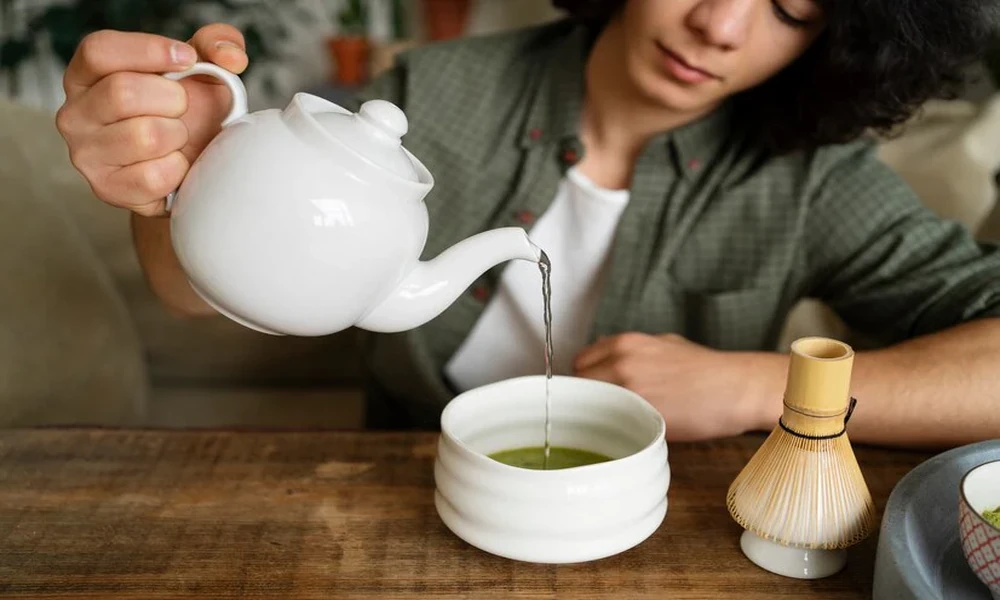
Matcha is shade-grown tea that has been stone-ground into a fine powder rather than brewed as whole leaves. The preparation involves whisking a small amount of powder with hot water – traditionally using a bamboo whisk – to create a frothy, concentrated drink. Because you’re consuming the whole leaf rather than an infusion, the flavor intensity and the nutritional content are both higher than with any steeped tea.
Quality in matcha varies enormously, and the category of ceremonial-grade versus culinary-grade, while not precisely regulated, is a useful rough guide. Ceremonial-grade matcha – intended for drinking as tea – is made from younger leaves, is more finely ground, and has a brighter green color and a sweeter, less bitter flavor than culinary-grade, which is designed to be used in cooking where it will be combined with other flavors.
Travelers on a Japan cruise who visit Kyoto or Uji – the heart of Japan’s matcha production – will encounter matcha in its proper context: a tea ceremony at a historic temple, a bowl of freshly whisked tea at a teahouse in a garden, the full range of matcha sweets that have evolved around the tradition. The experience reframes what matcha is in a way that’s difficult to achieve from the outside.
Hojicha: The Roasted Alternative
Hojicha is made from sencha or bancha – lower-grade tea that includes stems as well as leaves – roasted over charcoal at high temperature. The roasting transforms the tea’s character entirely: the green color darkens to reddish-brown, the grassy flavors give way to toasty, caramel notes, and the caffeine content drops significantly as the heat degrades it.
The result is a tea that is simultaneously more approachable for people who find green tea too intense and more interesting than the description might suggest. Hojicha is warming, slightly sweet, and deeply comforting in a way that makes it particularly well-suited to evenings. It brews at a higher temperature than other Japanese green teas – near boiling – and is more forgiving of imprecise technique.
Gyokuro: The Exceptional Cup
Gyokuro is the highest-grade Japanese tea – shade-grown like matcha but brewed as whole leaves rather than ground. The shading period is longer than for matcha, the harvest is selective, and the resulting tea is intensely sweet and umami-forward, with almost no bitterness when brewed correctly.
The brewing parameters are unusual: very low temperature water – 120 to 140°F – a small ratio of water to leaves, and a short steep time. The resulting cup is small in volume but remarkable in intensity, with a sweetness and depth that surprises people accustomed to the lighter flavor of sencha.
Building a Japanese Tea Pantry
Starting a Japanese tea exploration at home requires less than most people assume. A variable-temperature kettle, a small teapot or kyusu, and three teas – a quality sencha, a ceremonial-grade matcha with a bamboo whisk, and a hojicha – cover the essential range and cost less than a few specialty coffee drinks.
The reward for paying attention to these teas is disproportionate to the effort involved. Once you understand what you’re tasting, the differences between a fine first-flush sencha and a standard green tea bag are as apparent as the difference between good wine and bad. That kind of discernment, once developed, is hard to misplace.