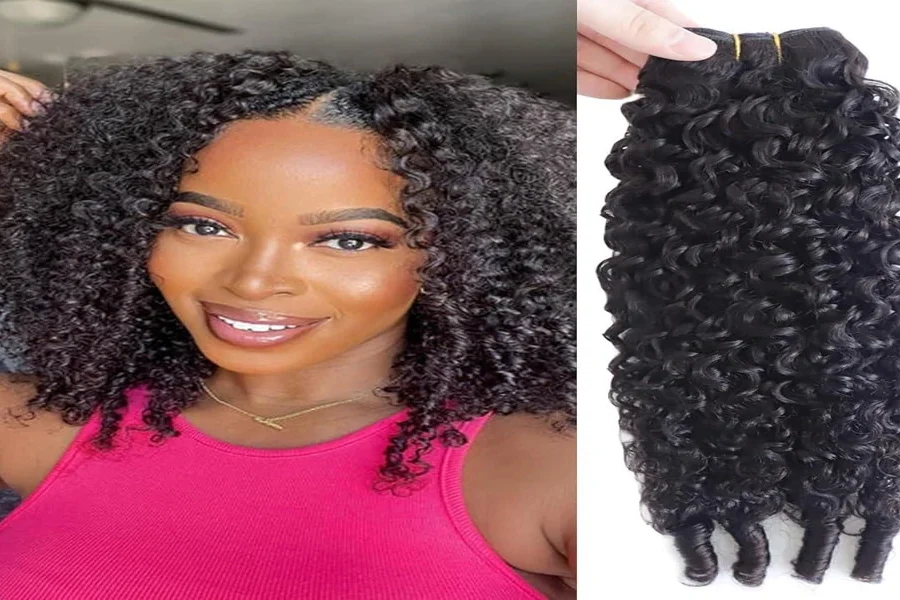


A beautiful afro doesn’t have to be long to make a statement. Sometimes, all you want is a little more fullness around the crown, extra volume at the sides, or a nicely rounded shape that makes your natural texture stand out. However, achieving that look can be challenging when your hair has uneven density, noticeable shrinkage, or naturally fine strands. The good news is that you don’t need waist-length extensions or complicated salon techniques to create a fuller hairstyle. Short, afro-textured clip-ins can add volume exactly where you need it while allowing your natural hair to remain the main attraction. Whether you’re getting ready for brunch, refreshing your everyday hairstyle, or preparing for a special occasion, learning a few simple placement and blending techniques can help you achieve a soft, fluffy afro that looks naturally yours.
Why Natural Clip-Ins Work So Well for Afro Volume
Textured natural hair has a beautiful ability to expand, shrink, and take on different shapes depending on how it’s styled. If your goal is to enhance that natural fullness,Natural Hair Clip Ins For Black Hair offer a convenient way to build volume without dramatically changing your hairstyle. Unlike long extensions designed to create flowing lengths, shorter kinky and coily pieces can fill areas that appear less dense, giving your afro a more balanced silhouette.
The secret is understanding the difference between length and volume. Length extends how far your hair falls or stretches, while volume determines how full your hairstyle appears. For example, adding a few short wefts around the sides can make a compact afro look significantly fuller without changing its overall height or length. This approach is particularly useful for women with fine natural hair or uneven density who prefer a realistic finish.
Another advantage is flexibility. Afro Kinky Clip Ins can be installed for a special occasion and removed afterward, making them convenient for experimenting with different hairstyles. However, the extensions should closely resemble your natural hair’s color, texture, and density. A good match makes blending easier and helps prevent the noticeable separation that sometimes occurs between natural strands and added hair.
Choosing the Right Texture, Length, and Density for a Natural Finish
Before installing anything, examine how your hair looks in its usual styled condition. Is it tightly coiled, softly stretched, or fluffy after a twist-out? These details matter more than choosing extensions based solely on a curl-type label. For instance, someone with tightly coiled 4C hair may prefer kinky-textured pieces for a picked-out afro, while another person with a defined twist-out might achieve better blending with a slightly looser curl pattern.
Natural hair can also change appearance depending on moisture, styling techniques, and shrinkage. If your hairstyle has more curl definition,Curly Clip Ins For Black Hair may be worth considering, provided their curl pattern closely matches your finished look. The important thing is to compare the extensions with your hair as you actually intend to wear it, rather than expecting every texture marketed for a particular hair type to blend automatically.
Length selection is equally important. If you want a short, rounded afro, choose pieces that resemble your hair’s visible length after styling. Remember that extension lengths are often measured with the hair stretched, so a coily bundle may look considerably shorter when worn naturally. Comparing the relaxed and stretched appearance of the extensions can help prevent purchasing hair that creates more length than you intended.
Finally, consider weight and density. Extremely thick wefts aren’t always necessary for Voluminous Natural Hair. A few lightweight pieces placed strategically can create a fuller appearance while reducing unnecessary pulling on your roots. Choose natural black, off-black, or brown shades that complement your existing hair, and check that the clips can be concealed comfortably beneath your own strands.
DIY Tutorial: Five Simple Steps to Create a Fuller, Rounded Afro
Creating a fuller afro at home is largely about thoughtful placement and gentle blending. You don’t need advanced hairstyling experience, but it helps to prepare your hair properly and work gradually. Instead of installing every available weft, focus on the areas where you genuinely need more volume.
Gather your afro-textured clip-ins, a wide-tooth comb, sectioning clips, a spray bottle, leave-in conditioner, an afro pick, and a handheld mirror. A lightweight styling cream can also help you achieve a soft, natural-looking finish without leaving your hair stiff or overly coated.
Step 1: Prepare and Moisturize Your Natural Hair
Begin by gently detangling your hair from the ends toward the roots. Apply a suitable leave-in conditioner to keep your strands manageable, then allow your hair to become dry or mostly dry before installing the clips. Attaching extensions to damp, tightly packed sections may make placement difficult and interfere with your intended styling results.
If you want a fluffy appearance, consider stretching your hair using loose twists, braids, or another heat-free method. A twist-out can also help create a consistent texture between your natural strands and the extensions. There’s no need to straighten your hair completely. The goal is simply to prepare a foundation that will blend easily with your chosen pieces.
Step 2: Identify Areas That Need Extra Fullness
Stand in front of a mirror and examine your afro from different angles. Perhaps your crown appears slightly flatter than the sides, or the back needs more density. Identifying these areas first will help you avoid installing unnecessary extensions.
Create neat horizontal sections underneath the hair you intend to leave out for coverage. Keep your hairline and delicate edges free from clips, especially if those areas are sensitive or experiencing thinning. Your natural hair should provide enough coverage to conceal the attachments without requiring excessive pulling or manipulation.
Step 3: Install Your Clip-Ins for Volume Rather Than Length
Start with one or two appropriately sized wefts around the back or sides, depending on where additional fullness is needed. Open each clip, position it against a secure section of natural hair, and close it gently. The attachment should feel comfortable without pinching or pulling. If you notice tension, reposition it rather than forcing the clip into place.
Continue gradually, checking the overall shape after each addition. Shorter wefts around the sides can help create a rounded silhouette, while carefully placed pieces near the crown can provide extra lift. Avoid stacking several clips onto one small section, particularly if your strands are fine. The aim is balanced fullness, not maximum extension coverage.
Step 4: Blend Your Hair With the Added Texture
Once the extensions are secure, release your natural hair over the wefts and gently separate the strands with your fingers. If both textures are suitable for a twist-out, you can style them in compatible sections to help create a more consistent finish. For a fluffy afro, lightly separate the hair while preserving its natural texture.
Use a wide-tooth comb only where necessary, and avoid repeatedly brushing through delicate coils. A small amount of lightweight styling product may help smooth visible differences between your natural hair and the added pieces. Excessive product, however, can weigh down the hairstyle and reduce the airy volume you’re trying to achieve.
Step 5: Shape Your Afro and Check the Final Look
Now comes the fun part: shaping your afro. Use an afro pick close to the roots to create gentle lift, taking care not to disturb the clips or pull through the extensions aggressively. Concentrate on balancing the crown, sides, and back until you achieve a soft, rounded outline.
Check the hairstyle from the front, sides, and back using a handheld mirror. Look for exposed wefts, uneven sections, or areas that appear excessively bulky. Make small adjustments until the shape feels comfortable and natural. You can finish with a lightweight product suitable for your texture to help manage flyaways while maintaining movement.
Five Creative Ways to Wear Your Fuller Afro
Once you’ve mastered the basic installation, you can experiment with different looks without changing your hair length significantly. Afro Hair Extensions are particularly versatile because small adjustments to placement, parting, and texture can produce noticeably different results.
The Classic Rounded Afro: Create a balanced shape by adding fullness around the crown and sides. Gently lift the roots and adjust the outline for a timeless, beautifully rounded hairstyle that works for everyday activities and special occasions.
The Side-Part Afro: Introduce a soft side part and concentrate slightly more volume on one side. This creates a fashionable, asymmetrical shape that pairs beautifully with statement earrings or a simple everyday outfit.
The Defined Afro Twist-Out: Combine a freshly styled twist-out with extensions that have a similar curl pattern. Carefully separate the twists for fullness while keeping enough definition to create a soft, textured finish.
The Short, Fluffy Afro: Choose compact, kinky-textured pieces and focus on widening the overall silhouette rather than increasing its height. This option is especially suitable for women who love the appearance of a short afro but want additional density.
The Accessorized Afro: Add a colorful headband, decorative scarf, or simple hair accessory to complement your hairstyle. This is an easy way to dress up your afro for birthdays, brunch dates, casual celebrations, or weekend outings without complicated styling.
Keeping Your Fuller Afro Healthy, Comfortable, and Natural-Looking
Although clip-ins are convenient, proper maintenance matters just as much as installation. Wearing excessively heavy extensions or attaching clips repeatedly to fragile sections can contribute to tension and breakage. Hair accessories and extensions aren’t automatically protective simply because they’re removable. Pay attention to your scalp, avoid uncomfortable placements, and give sensitive areas sufficient rest between installations.
When refreshing your hairstyle, concentrate on gentle finger fluffing instead of repeatedly picking through the same sections throughout the day. If your extensions need moisture, use products appropriate for their material and texture. Human hair pieces may respond well to carefully selected conditioning products, while synthetic fibers often require different maintenance methods. Always follow the manufacturer’s care instructions.
Remove your extensions by opening each clip completely before gently lifting it away from your natural hair. Never drag a closed clip through your strands. It’s also best to remove clip-ins before sleeping unless the manufacturer specifically recommends otherwise. Store them clean, dry, and detangled so they’ll be ready for your next hairstyle.
Ultimately, achieving a fuller afro isn’t about adding as much hair as possible. It’s about choosing the right texture, placing a few pieces thoughtfully, and shaping everything to complement your natural features. Whether you prefer a softly rounded afro, a fluffy twist-out, or an accessorized everyday look, the best result is one that feels comfortable, looks realistic, and celebrates your personal style.