
Plenty of houses between Carpinteria and Goleta were designed around a simple promise. Open the windows in the afternoon, let the ocean air slide through, and close them again when the marine layer drifts back in. For decades that worked well enough that air conditioning felt like something you installed in Phoenix, not on the Mesa.
That promise has started to wobble, and homeowners tend to notice it on specific nights rather than across whole summers. A sundowner pushes hot, dry air down from the Santa Ynez Mountains after dark, a September heat spell parks over the coast for a week, or wildfire smoke makes open windows a bad idea at the exact moment the house needs air. Local outfits like Crocker Refrigeration Heating & Air, a family business working on Santa Barbara homes since 1980 and installing Carrier equipment as a factory authorized dealer, now hear this question often from owners of older homes that were never set up for cooling. The honest answer depends less on the weather than on the house itself.
A Coast With Several Climates Hiding Inside It
Santa Barbara’s reputation for mildness hides a lot of variation. A bungalow a few blocks from the water may sit under gray skies most of June, while a ranch house in the foothills can run noticeably warmer on the same afternoon. A second story room with western windows lives in a different climate than the floor below it.
Then there are the sundowners, the downslope winds that can send temperatures climbing in the evening, right when most people expect relief. Add smoke seasons that keep houses shut for days and a pattern appears. The number of truly hot days may still be small, but the hours that hurt tend to land when windows can’t help.
When the Rooms Start Complaining
A few patterns show up again and again in homes outgrowing the open window approach.
- Upstairs bedrooms stay warm long after sunset, so sleep suffers even when the day felt fine.
- West facing rooms bake every afternoon from late summer well into October.
- Fans run constantly but only push warm air from one corner to another.
- Smoke days force a choice between stuffy air and bad air.
- A home office or nursery needs a steady temperature that the coast simply can’t promise.
If two or three of these sound familiar, the house probably needs some form of mechanical cooling, even if it only runs a few weeks a year.
Your Heater Already Picked the Path
What a home uses for heat shapes nearly every cooling option.
Homes with a ducted furnace
If a forced air furnace feeds registers through ducts in the attic or crawl space, the most direct route is adding a coil at the furnace and a condenser outside, or replacing both with a heat pump that handles heating and cooling through one outdoor unit. The catch is the ductwork. Ducts sized decades ago for gentle winter heat are often too small or too leaky for cooling, which needs more airflow. A duct inspection matters as much as the equipment choice.
Homes with wall or floor furnaces
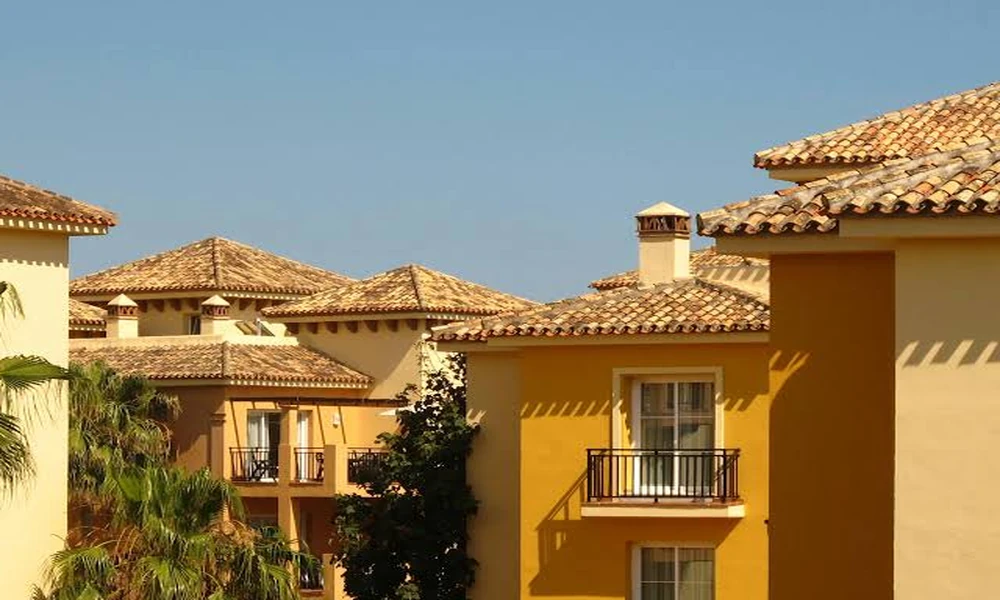
Many Spanish revival homes and postwar cottages heat with a wall furnace or floor furnace and have no ducts at all. Running new ductwork through plaster and tile ceilings is disruptive and expensive, so ductless heat pumps usually make more sense. One outdoor unit can serve several indoor heads, each controlling its own room. The Department of Energy’s guide to ductless mini split heat pumps explains how these zoned systems avoid the energy lost through long duct runs.
Homes with radiators or radiant floors
Hydronic heat turns up in some older estates. Since water based systems can’t cool, owners typically keep the boiler for winter and add ductless units, or a compact high velocity system that threads small flexible tubing through walls without major demolition.
The Line Items Nobody Budgets For
A handful of side issues often decide whether a project goes smoothly.
- Electrical capacity. Older homes with 60 or 100 amp panels may need an upgrade, especially if an EV charger or electric range already shares the load.
- Condensate drainage. Cooling pulls water out of the air, and that water needs a proper route out of the attic or wall.
- Outdoor unit placement. Tight lot lines, setback rules and neighbors a few feet away make sound ratings and location worth discussing early.
- Salt air. Equipment close to the ocean corrodes faster, so coated coils and an occasional freshwater rinse help it last.
- Code requirements. California’s energy code often calls for duct leakage testing and third party verification when systems are replaced or ducts are altered.
Bigger Is Rarely Better on the Coast
Oversizing is a common mistake in mild climates. A unit that’s too large cools the room fast, shuts off, and repeats the cycle without running long enough to pull humidity out of the air. The result feels clammy and wears parts sooner. A proper load calculation looks at insulation, window orientation and shade rather than square footage alone.
Variable speed equipment suits the coast particularly well. It can idle along at low output for most of the year and ramp up only on a sundowner night, which keeps rooms steady and electric bills reasonable.
Clean Air When the Hills Are Burning
Smoke has changed how locals think about cooling. A closed house with no cooling turns into an oven, but a closed house with a system running through a good filter can become the cleanest room in the neighborhood. Ducted systems can often take a MERV 13 filter if the blower and return are sized for it,. Ductless heads have washable screens but limited filtration, so a portable HEPA purifier in the bedroom usually fills that gap.
Starting With One Room Is Fine
Not every house needs a whole home system on day one. Many homeowners begin with the bedroom that stays hottest at night, live with it through a season, then expand. Others replace an aging furnace with a heat pump and gain cooling almost as a bonus. The right plan follows how the house is actually lived in today rather than how it was imagined seventy years ago.
The ocean breeze still does most of the work most of the year. Cooling simply covers the evenings when it can’t.